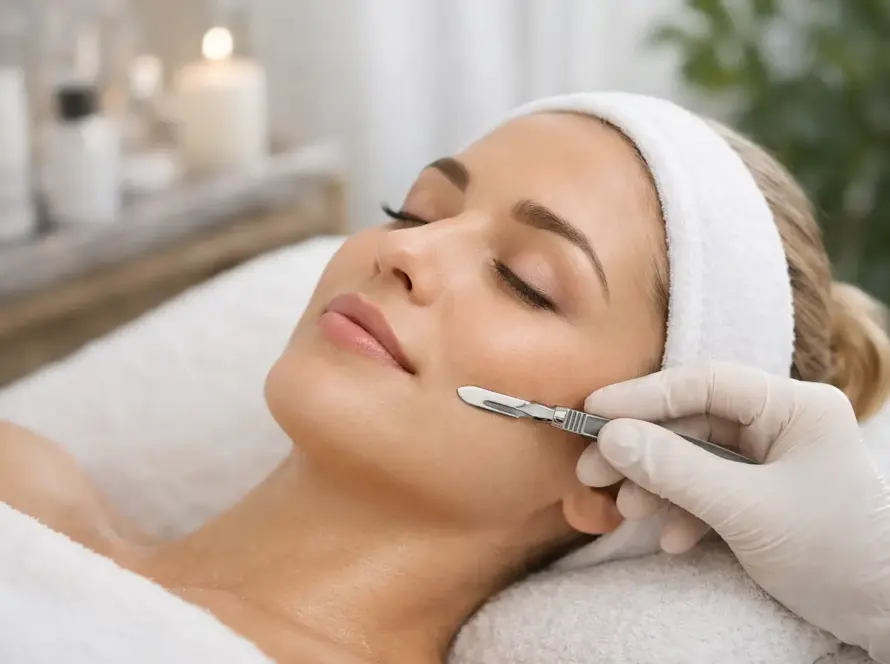


Moxi can be a smart choice when your skin looks dull, sun-stressed, uneven, or simply ready for a fresh start. But the glow is not created in the treatment room alone. A thoughtful Moxi aftercare skin routine protects your investment while your skin renews itself, helping you move through the temporary redness, dryness, and rough texture with confidence.
Moxi is a gentle, non-ablative fractional laser treatment, but gentle does not mean no recovery. Your skin has received a controlled thermal treatment designed to encourage renewal. For several days, it needs calm care, moisture, sun protection, and a break from the stronger products and high-heat activities that are usually part of an active lifestyle.
What Your Skin Is Doing After Moxi
Immediately after a Moxi treatment, it is common to look flushed, feel warm, and notice mild swelling. Most people describe the sensation as a lingering sunburn or warmth that settles over the first several hours. By days 2 through 4, tiny darkened spots may emerge and the skin can feel dry or sandpaper-like. These are often microscopic epidermal necrotic debris, sometimes called MENDs. They are part of the normal shedding process and should be allowed to release naturally.
The exact timing depends on your treatment settings, your baseline skin sensitivity, your complexion, sun exposure, and whether Moxi was paired with another service. A provider’s aftercare instructions always come first, especially if you have melasma, a history of cold sores, acne, eczema, rosacea, or use prescription skincare.
Moxi Aftercare Skin Routine: The First 48 Hours
Think comfort first. For the rest of treatment day, avoid rubbing, scrubbing, or trying to inspect every tiny spot in a magnifying mirror. A cool compress can feel soothing if you are warm, but do not apply ice directly to the skin. If your provider recommends a specific post-laser product, use it as directed.
Cleanse with cool to lukewarm water and a mild, fragrance-free cleanser. Pat dry with a clean, soft towel. Follow with a simple hydrating moisturizer that does not sting. Your goal is to support the skin barrier, not to layer on every serum in your cabinet.
The next morning, apply a broad-spectrum mineral sunscreen with SPF 30 or higher. Tinted mineral sunscreen can be especially useful because iron oxides may provide additional visible-light protection, which can matter for people prone to uneven pigment. Reapply when you are outdoors, near windows for extended periods, driving, or sweating.
Makeup is often best skipped for at least 24 hours, unless your treating provider says otherwise. If you need to return to work or an event, choose clean, non-irritating makeup and apply it with very gentle pressure. Do not use a brush or sponge that has not been freshly washed.
For the first 24 to 48 hours, keep your plans low-heat and low-sweat. That means postponing hot yoga, intense cardio, steam rooms, saunas, hot tubs, and very hot showers. Heat can prolong flushing and irritation when the skin is already working to recover. A quiet evening, hydration, and early rest are better companions for freshly treated skin.
A simple morning and evening rhythm
In the morning, cleanse gently if needed, moisturize, then apply mineral SPF. In the evening, cleanse, moisturize, and leave the rest of your routine on the shelf. This is one of those moments when less truly does more.
If your skin feels tight during the day, a bland moisturizer may be reapplied. Avoid fragranced facial mists, essential oils, and products that create a tingling sensation. Tingling is not proof that a product is working. After laser treatment, it can be a sign that your skin barrier wants a break.
Days 3 Through 7: Let the Texture Shed on Its Own
This is the phase that tests patience. Your complexion may look bronzed or speckled, and it may feel rougher before it feels smoother. Do not exfoliate, pick, scratch, use cleansing brushes, or try to scrub away the texture. Pulling at peeling skin or MENDs can increase irritation and may raise the risk of unwanted pigment changes.
Continue your gentle cleanser, plain moisturizer, and mineral sunscreen. Keep your showers warm rather than hot. If you are outdoors in Alexandria, Northern Virginia, or anywhere around the DMV, pair sunscreen with practical physical protection such as a wide-brimmed hat and shade whenever possible. Sun protection is not a one-week assignment after Moxi. It is how you help preserve the brighter, more even-looking results that treatment is designed to support.
Most people can return to a fuller skincare routine after about five to seven days, once the roughness and sensitivity have settled. However, restart active ingredients gradually. Begin with one product rather than reintroducing retinoids, exfoliating acids, benzoyl peroxide, vitamin C, and brightening treatments all at once. If a product burns or leaves your skin red, stop and return to the simple routine for another few days.
When to Restart Your Favorite Products and Treatments
Retinol, tretinoin, glycolic acid, salicylic acid, scrubs, at-home peels, and benzoyl peroxide are usually the last products to return. Many clients wait at least five to seven days, while others need longer. Sensitive skin and stronger Moxi settings may call for a slower return. Your provider can give you a more personal timeline.
Hold off on waxing, depilatory creams, dermaplaning, and facial exfoliation until your skin is fully calm. Avoid booking another resurfacing facial or chemical peel during the early recovery window unless your skincare professional has specifically planned it as part of your treatment series. Recovery time is productive time. It is when your skin gets to do the work you came in for.
What Can Interfere With Moxi Recovery?
Sun exposure is the biggest concern, but it is not the only one. Excess heat, sweat, friction, aggressive cleansing, picking, and stacking too many active products can all turn manageable recovery into an irritated complexion. Alcohol can also make flushing feel more noticeable for some people during the first day or two.
If you are prone to cold sores and your treatment included the area around your mouth, let your provider know before treatment. A preventive prescription may be appropriate. If you are pregnant, breastfeeding, managing a medical condition, or using prescription acne or pigment medication, your skincare plan should be individualized rather than copied from a general timeline.
When to Contact Your Provider
Some redness, mild swelling, dryness, and temporary darkening are expected. Increasing pain, significant swelling, blistering, oozing, hives, pus, fever, or a rash that continues to spread are not typical recovery signs. Contact your treating provider promptly if these occur. If you believe you are having a severe allergic reaction or another urgent medical issue, seek immediate medical care.
It is also wise to check in if you are unsure whether a product is safe to restart. A quick question is far better than setting your skin back with an enthusiastic return to acids or retinoids.
Make Aftercare Part of Your Skin Maintenance Plan
Moxi works beautifully as part of a consistent approach to skin health, not as a one-time rescue before a special event. The best timing depends on your goals, downtime preferences, sun exposure, and whether you are also considering services such as Hydrafacial, dermaplaning, chemical peels, or BBL HEROic treatments. At Ft Hunt Health and Wellness Center, a personalized consultation can help organize those services around your skin’s recovery needs rather than crowding them into the same week.
Give your skin the same thoughtful maintenance you give the rest of your body: gentle support, protection from stressors, and enough time to restore. When the roughness fades and your natural clarity starts to show, you will be glad you let recovery be part of the ritual.