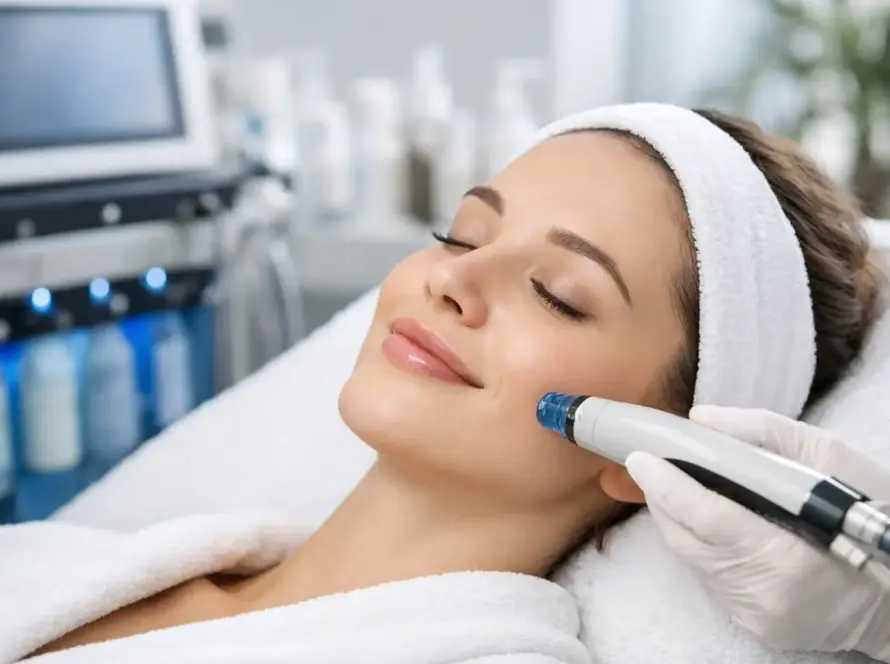

A last-minute shave before work, vacation, the gym, or a date can feel like one more task on an already full schedule. Laser hair reduction offers a practical way to spend less time managing unwanted hair while supporting smoother-looking skin over time. The key is knowing what the treatment can realistically do, how a series of appointments works, and why a personalized plan matters.
Unlike waxing, which removes hair from the surface for a few weeks, laser treatment targets pigment within the hair follicle during its active growth phase. That is why results build gradually rather than appearing in a single visit. For many people, the real benefit is not perfection. It is less frequent shaving, fewer ingrown hairs in suitable areas, and a routine that feels easier to maintain.
How Laser Hair Reduction Works
A professional laser delivers controlled light energy that is absorbed by pigment in the hair. The energy heats the follicle to interrupt future growth. Because only some follicles are actively growing at a given time, the treatment area needs multiple sessions to reach hairs as they cycle through that stage.
This is also why the phrase “hair reduction” is more accurate than a promise of permanent hair removal. Many clients see a substantial, lasting reduction in hair growth, but hormones, genetics, medication changes, and the treatment area can affect the outcome. Some people choose occasional maintenance sessions after completing their initial series.
Hair that is darker and coarser often responds especially well because it contains more pigment for the laser to target. Advances in professional technology and careful settings have made treatment possible for a wider range of skin tones than in the past, but the right device, settings, and technician experience remain essential. A consultation should always come before a treatment plan.
What Areas Can Be Treated?
Laser hair reduction is popular because it can be adapted to both small, detailed areas and larger zones that are time-consuming to shave or wax. Common treatment areas include the underarms, bikini line, Brazilian area, legs, arms, back, chest, abdomen, upper lip, chin, and sideburns.
The best area to start is often the one that causes the most daily friction. For a busy professional, that may be underarms or lower legs. For someone managing irritation from regular shaving, it may be the bikini line. For clients dealing with visible facial hair, a plan may involve smaller areas and more careful scheduling around skincare treatments.
If you are combining services, timing matters. Strong exfoliation, chemical peels, dermaplaning, and certain laser skin treatments may need to be spaced appropriately from hair reduction in the same area. A knowledgeable provider can help organize your appointments so your skincare and body-care goals work together rather than compete.
How Many Sessions Will You Need?
Most treatment plans involve a series of sessions, generally spaced several weeks apart. The exact number depends on the body area, hair density, hair color, skin tone, hormonal factors, and how consistently you attend. Facial hair may require a different schedule than legs or underarms because growth cycles vary across the body.
It is normal to notice uneven shedding and patchy regrowth between early sessions. That does not necessarily mean treatment is failing. Hair often sheds over the days or weeks following an appointment, and later sessions address follicles that were not in the ideal growth phase before.
Think of laser hair reduction as a course of care, not a one-time errand. Committing to the recommended schedule gives your provider useful feedback and gives your skin time to respond. If your goal is to be ready for warm-weather travel, a wedding, or summer pool days, starting well ahead of the date is far more realistic than booking one appointment at the last minute.
What Does Treatment Feel Like?
Comfort is subjective, but many clients describe the sensation as a quick snap of warmth against the skin. Larger areas can take longer simply because there is more ground to cover. Modern systems may include cooling features that help make treatment more comfortable.
Sensitivity can vary by area. The upper lip and bikini line are often more noticeable than the arms or lower legs. Your provider should check in throughout the appointment, adjust when appropriate, and give clear instructions on what sensations are expected. You do not need to push through significant discomfort to have an effective session.
A little redness or a warm, sun-kissed feeling afterward can be common and usually settles quickly. Your provider will explain what is normal for your skin and when to contact the center with questions.
Preparing for Laser Hair Reduction
Preparation is straightforward, but it directly affects both comfort and results. Before your appointment, avoid tanning and follow your provider’s guidance on sun exposure, self-tanner, active skincare products, and medications that may increase sensitivity. Let your technician know about any recent health changes, prescriptions, or skincare treatments.
For many areas, shaving shortly before treatment is recommended because it leaves the follicle intact under the skin while removing surface hair that could absorb energy. Waxing, plucking, and threading remove the follicle’s hair target, so they are usually avoided for a period before and during your series.
A few practical habits can make appointment day easier:
- Arrive with clean skin free of lotion, oil, deodorant, makeup, or fragrance on the treatment area.
- Wear comfortable clothing, especially for larger areas or sensitive zones.
- Use sunscreen consistently on exposed skin before and after your sessions.
- Plan to skip intense heat, hot tubs, saunas, and strenuous workouts immediately afterward if your provider recommends it.
These details are not busywork. Calm, protected skin gives your provider a better treatment canvas and helps reduce avoidable irritation.
Aftercare That Supports Your Skin
After laser treatment, treat the area gently. Keep it cool, avoid picking or scrubbing, and use soothing products recommended by your provider. Sun protection is especially important because recently treated skin can be more vulnerable to discoloration with sun exposure.
You may still need to shave between appointments, and that is expected. Avoid methods that pull hair from the root unless your provider tells you otherwise. As shedding begins, resist the urge to exfoliate aggressively. A gentle approach is usually the wiser one.
If you are prone to ingrown hairs, laser hair reduction may help reduce the cycle of shaving irritation over time, particularly in areas such as the bikini line or underarms. Still, it is not a substitute for individualized medical care if you have persistent rashes, infection, unusual pigmentation, or a skin condition. Bring those concerns up during your consultation so the treatment plan can be adjusted or postponed when needed.
Choosing a Provider and Treatment Plan
The best laser appointment starts with a conversation, not a rushed transaction. Your provider should ask about your skin tone, natural hair color, recent sun exposure, prior hair-removal methods, medical history, current medications, and desired treatment areas. They should also be direct about what results are likely for you.
At Ft Hunt Health and Wellness Center, laser hair reduction can fit naturally into a broader self-care routine that includes advanced skincare, restorative spa rituals, and wellness services. That matters for clients who want one local destination for ongoing body maintenance rather than piecing together appointments across town.
Ask whether a patch test is appropriate, how sessions will be spaced, what aftercare is expected, and how maintenance is handled. Price matters, but the lowest-cost option is not always the strongest value if it does not include a thorough consultation, safe treatment standards, and a plan matched to your skin.
Is It the Right Time to Start?
The right time is usually when you can attend consistently and protect the treated area from excess sun. Fall and winter are convenient for many people because covered skin is easier to manage, but treatment can be planned year-round with thoughtful sun care and provider guidance.
Start with the area that would make your routine feel lighter. A consultation can turn that small wish – fewer rushed shaves, smoother underarms, less bikini-line irritation, more confidence in sleeveless clothing – into a realistic schedule of care. Book when you are ready to give the process time, and let each session move you closer to a routine that feels more comfortable in your own skin.