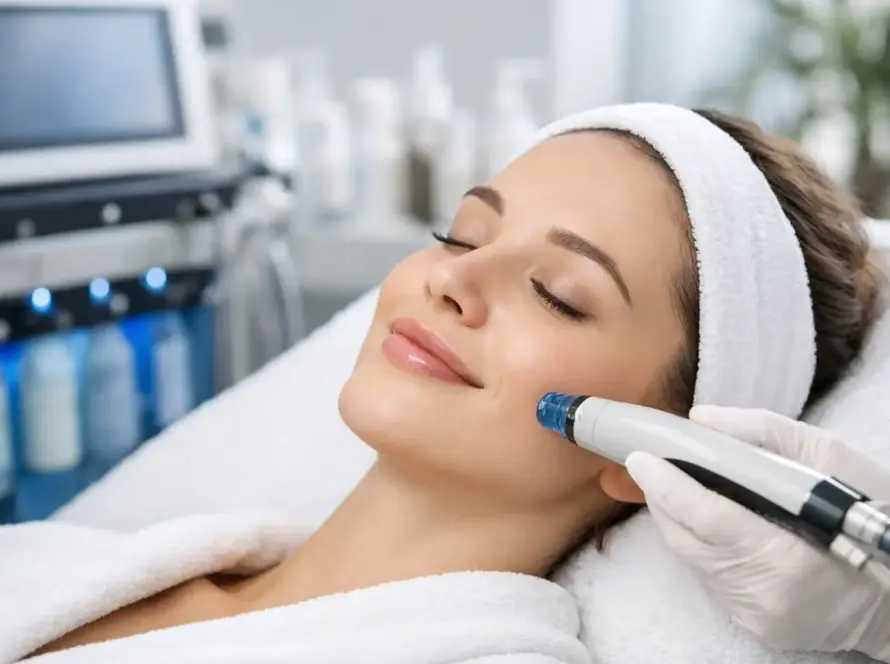


A tense neck after a week of meetings, skin that looks tired no matter how carefully you cleanse, legs that feel heavy after training, or a nervous system that never quite powers down – these are the moments when wellness technology can become more than a novelty. Used thoughtfully, it gives your self-care routine new ways to support relaxation, recovery, circulation, skin renewal, and restorative downtime.
At Ft Hunt Health and Wellness Center, technology-supported services are designed to work alongside massage, skincare, hydrothermal rituals, and the basics that still matter most: sleep, movement, hydration, nourishment, and stress management. The goal is not to chase every new device. It is to choose treatments that feel relevant to your body, your schedule, and the results you want to maintain.
What wellness technology can add to your routine
Hands-on care will always have a place. A skilled massage therapist can respond to the way your shoulders hold stress, while an esthetician can adjust a facial based on what your skin needs that day. Technology adds a different kind of precision and consistency. Depending on the service, it may use light, heat, cold, pressure, oxygen, electromagnetic stimulation, water, or salt-infused air to create a specific wellness environment.
That does not mean every treatment is right for every person or every goal. A red light session may appeal to someone building a recovery ritual, while an infrared sauna may be the better fit for a guest who simply wants quiet warmth and a chance to decompress. Laser treatments are more targeted still, with plans shaped around skin concerns, downtime preferences, and the timing of upcoming events.
The best results usually come from a clear purpose and a realistic rhythm. One restorative appointment can feel wonderful. A consistent approach, whether that means monthly skin care, regular massage, or a wellness membership, is more likely to become a meaningful part of body maintenance.
Wellness technology is not one category
It helps to think of technology-supported wellness in three practical lanes: recovery and relaxation, skin-focused care, and destination-style hydrothermal experiences. They can overlap, but they serve different moments in your routine.
Recovery, warmth, and circulation-focused sessions
When your body feels depleted rather than injured, supportive modalities can create space to rest and reset. Red light therapy, BEMER electromagnetic therapy, HBOT oxygen therapy, HOCATT ozone therapy, cryotherapy, halotherapy, and infrared sauna sessions are often selected by guests who are focused on energy, circulation, post-workout recovery, or a deeply calming break from a demanding week.
Each experience has a different feel. Infrared sauna and steam bathing are warm, slow, and cocooning. Cryotherapy is brief and invigorating. Halotherapy offers a peaceful salt-cave environment. Hydrotherapy and an Ofuro-style soaking ritual can be especially appealing when you want warmth without another appointment that asks you to do anything at all.
These services should not be presented as a substitute for medical diagnosis or treatment. If you are pregnant, managing a health condition, taking medication, recovering from surgery, or have concerns about heat, cold, pressure, or light exposure, ask your physician and share your health history before booking. A thoughtful wellness center will help you choose an appropriate service or suggest that you postpone it.
Advanced skin care with a purpose
Not all skin technology belongs in the same conversation. A Hydrafacial may be a practical choice when you want cleansing, exfoliation, hydration, and a refreshed look with little interruption to your day. Dermaplaning, chemical peels, and high-tech facials can be tailored around texture, congestion, dryness, dullness, or the desire for a polished pre-event glow.
For more visible concerns, laser skin rejuvenation may offer a more focused plan. Sciton treatments such as Moxi and BBL HEROic are selected based on factors such as tone, texture, signs of sun exposure, and desired downtime. Laser hair removal and laser skin tightening likewise require a consultation-driven approach, because skin type, treatment area, lifestyle, and expectations all affect the best path forward.
The trade-off is simple: more targeted treatments often require more planning. You may need to protect your skin from sun exposure, follow pre- and post-care guidance carefully, schedule a series, or allow time for your skin to respond. That planning is worthwhile when it aligns with your goals, but it is never a reason to rush into a treatment before you understand it.
How to choose the right wellness technology
Start with the problem you actually want to solve, not the treatment name that sounds most impressive. “I want to feel less wired at night” calls for a different conversation than “I want help maintaining clear-looking skin” or “I need a recovery day after a long run.” A good consultation turns a broad interest in wellness into a plan you can realistically follow.
Consider your available time, too. A 20-minute red light or cryotherapy session may fit easily between obligations. A longer spa ritual with hydrotherapy, a Roman aroma steam room, Swiss herbal sauna, or massage may be better reserved for a true reset day. Neither choice is better. The right option is the one you will enjoy enough to repeat.
Budget matters as well. If you are deciding between occasional individual treatments and a membership, think about frequency. Memberships can make sense for guests who already know they benefit from regular massage, skincare, or wellness sessions. Packages can be useful when you are pursuing a defined skin or recovery goal. For a first visit, a single appointment and an honest conversation with your provider may be the smartest starting point.
Pair technology with hands-on care
The most satisfying wellness days often combine modalities rather than treating each service as an isolated event. A massage after warmth from an infrared sauna can feel especially restorative for someone carrying everyday muscle tension. A Hydrafacial can complement a broader skincare plan. A quiet halotherapy or salt-cave session may be the pause that makes your self-care day feel less like another task on the calendar.
Timing is personal. Some guests prefer a massage first, then heat or hydrotherapy to extend the relaxed feeling. Others want a sauna or steam ritual before bodywork. For laser and advanced skincare services, follow the recommendations of your technician rather than creating your own same-day combination. Active ingredients, exfoliation, heat exposure, and sun exposure can all influence appropriate treatment timing.
For couples, friends, or a small group, a private spa gathering can make the experience easier to prioritize. A Sparty-style celebration is not just for a birthday. It can be a refreshing alternative to a typical social plan, especially for people who want connection without the noise and pressure of a conventional night out.
Build a plan you can keep
A wellness routine should support your life, not become another source of pressure. Begin with one category: bodywork for tension, a monthly facial for skin maintenance, a recovery session after demanding workouts, or a hydrothermal ritual when stress is running high. Pay attention to how you feel afterward and over the next few days. That feedback is more useful than chasing a perfect schedule.
Be specific with your provider. Mention a big presentation, an upcoming vacation, a training block, a recent change in your skin, poor sleep, or areas where you consistently hold tension. Those details help shape recommendations that are personal rather than generic.
Wellness technology is at its best when it gives you a repeatable moment to care for yourself with intention. Book the treatment that meets you where you are, leave room for professional guidance, and let your routine evolve as your body and goals change.