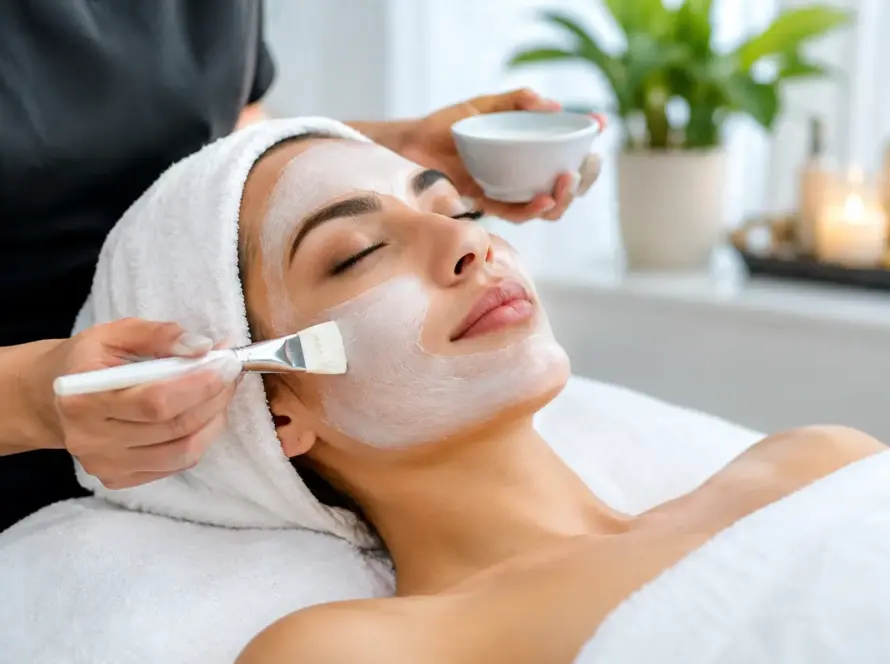


A Moxi treatment is often the answer for people who want their skin to look clearer, smoother, and more even without taking a full week away from work, family, or social plans. In this Moxi treatment review, the honest takeaway is that Moxi can be an excellent option for gradual skin renewal, especially for early sun damage, uneven tone, texture, and that tired-looking complexion that no facial seems to fully address. It is not a one-day miracle, and it is not the strongest resurfacing laser available. That is precisely why it fits so well into a consistent self-care routine.
What Is Moxi Treatment?
Moxi is a non-ablative fractional laser treatment from Sciton. It uses a 1927 nm wavelength to create controlled micro-injuries beneath the skin’s surface while leaving much of the surrounding tissue intact. Your skin responds by beginning a repair process that supports fresher-looking tone and texture over time.
Unlike an ablative resurfacing treatment, which removes portions of the skin’s outer layer and comes with more significant downtime, Moxi is designed as a gentler option. It is often called a “prejuvenation” treatment because many people choose it before lines, discoloration, and texture changes become more pronounced.
That does not mean Moxi is only for younger patients. It can be a smart choice at many ages when the goal is a brighter, more refined complexion with manageable recovery. A qualified consultation matters because your provider should look at your skin tone, current concerns, recent sun exposure, skincare routine, and comfort with downtime before recommending a treatment plan.
Who Usually Likes Moxi Results?
Moxi tends to appeal to people who want noticeable improvement but cannot or do not want to schedule the recovery associated with a deeper laser procedure. It is commonly selected for dullness, fine texture changes, mild acne scarring, visible pores, freckles, sun spots, uneven pigmentation, and early fine lines.
It is especially practical for busy professionals, parents, and active adults in Northern Virginia who want to invest in skin maintenance rather than wait for concerns to become harder to treat. Moxi can be used on the face, neck, chest, hands, and other areas with signs of sun exposure, although the right settings and approach depend on the treatment area.
A realistic expectation is important. If you have deep wrinkles, pronounced laxity, severe scarring, or substantial pigment changes, Moxi alone may not be the full answer. Your provider may suggest a series of Moxi sessions, a more intensive resurfacing option, or a personalized plan that includes treatments such as BBL HEROic or professional skincare. The best treatment is not necessarily the most aggressive one. It is the one that matches your skin, goals, schedule, and willingness to follow aftercare.
Moxi Treatment Review: What Does It Feel Like?
Comfort is one of the most common questions. Most clients describe Moxi as a warm, prickly sensation rather than a painful procedure, particularly when numbing cream is applied before treatment. The laser creates quick pulses of heat, and sensitive areas such as the upper lip, forehead, and around the nose may feel more intense.
A full-face session itself is usually relatively quick, though your complete appointment will include cleansing, numbing time, treatment, and post-care instructions. Your provider may use cooling measures to keep you comfortable. The experience is very manageable for many clients, but everyone has a different pain tolerance. If you are anxious about laser treatments, say so before your appointment. A thoughtful provider can talk you through the process and adjust the plan when appropriate.
Immediately afterward, skin often feels warm and looks pink to red, similar to a mild sunburn. That warmth typically settles down within several hours, though mild redness can last longer depending on the intensity of your treatment and your individual skin response.
The Recovery: Social Downtime Without Full Downtime
Moxi recovery is usually straightforward, but it still requires patience. Within a day or two, many people notice a rough, sandpaper-like texture or tiny dark dots called micro-crusting. This is a normal part of the renewal process. Pigmented areas may temporarily look darker before they flake away.
For several days, your skin can look bronzed, feel dry, and have a slightly gritty texture. Avoid picking, exfoliating, scrubbing, or trying to speed up flaking. Let the skin shed naturally. Makeup may be possible after the initial recovery period if your provider approves it, but many clients prefer to plan treatment when they can keep their routine simple for a few days.
The most useful aftercare is also the least complicated: use a gentle cleanser, apply the moisturizer or recovery products your provider recommends, and wear broad-spectrum sunscreen consistently. Heat, heavy exercise, hot tubs, steam rooms, saunas, and direct sun exposure may need to be avoided for a short period. Your exact instructions should always come from the professional treating your skin.
This is the trade-off that makes Moxi attractive. You may have a few days of visible texture and temporary discoloration, but you generally avoid the more intensive healing process associated with deeper resurfacing. If you have an important event, do not schedule Moxi the day before. Give yourself at least a week of breathing room, and more if you are treating pigment or prefer to be completely photo-ready.
When Will You See Results?
Skin can look brighter once the initial roughness has passed, often within about a week. The more meaningful improvements in texture and overall clarity continue to develop over the following weeks as the skin’s repair response progresses.
One treatment can create a welcome refresh, particularly before a season change, vacation, wedding, or milestone event. Still, many clients get their favorite results from a series. A common plan may include three treatments spaced several weeks apart, followed by maintenance treatments based on sun exposure, skincare habits, age, and personal goals.
Results are not identical for everyone. Someone with mild dullness may see a quick glow after one session, while someone treating years of sun damage may need a broader plan and more time. Great skincare, daily sunscreen, and avoiding excessive sun exposure help protect the investment you make in your skin.
Cost Factors to Discuss Before Booking
A Moxi treatment price can vary based on the area being treated, whether you are treating the face alone or adding the neck, chest, or hands, the number of sessions recommended, and whether your plan combines other technologies. Rather than choosing solely on a promotional price, ask what is included in your appointment, whether numbing is provided, which aftercare products are recommended, and what your provider expects you to need for your stated goal.
A proper consultation should also cover whether you are a candidate right now. Pregnancy, active skin infections, open wounds, a recent tan, certain medications, a history of cold sores, or use of specific skincare ingredients may affect timing or preparation. Be open about prescriptions, supplements, prior laser treatments, and any history of pigmentation changes or scarring.
Is Moxi Worth It?
For the right person, yes. Moxi is worth considering when you want more than a temporary facial glow but prefer a gentler, lower-downtime approach to laser skin renewal. It is a strong maintenance treatment for people who value a polished, healthy-looking complexion and are willing to be consistent.
It may be less satisfying if your expectation is dramatic correction after one session or if you cannot protect your skin from the sun during recovery. Honest treatment planning prevents disappointment. A skilled provider should be comfortable saying when Moxi is a good fit, when another service may be better, and when it makes sense to wait.
At Ft Hunt Health and Wellness Center, a personalized skin consultation can help you decide whether Moxi fits your goals, calendar, and comfort level. Give your skin enough time before a big event, follow your aftercare carefully, and think of the treatment as part of a long-term ritual of prevention and restoration.